Listen before acting
We start by understanding a person’s routines, preferences, goals, and the support they actually want.
Our approach
The best support fits into someone’s life with respect. We take time to understand what feels familiar, what feels difficult, and what independence means to each client.
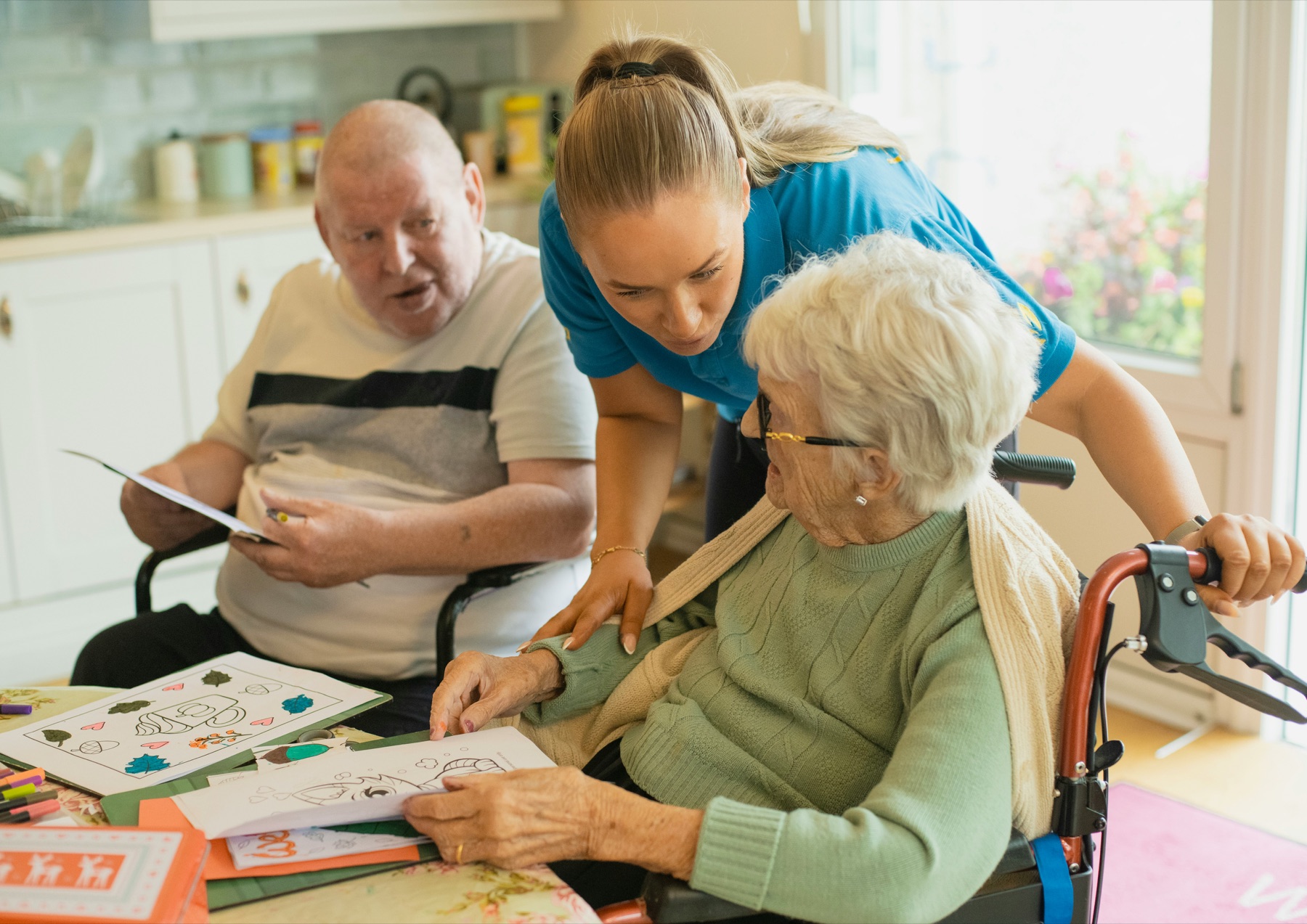
Person-centered care
One person may value a quiet morning routine. Another may want help preparing a favorite meal or making it to an appointment. These details matter because care is part of daily life.
We discuss needs and preferences, then organize non-medical help around the person. When families are involved, we keep the client’s choices and privacy at the center of the conversation.
What guides us
These principles shape both the big decisions and the small moments of care.
We start by understanding a person’s routines, preferences, goals, and the support they actually want.
The client remains a person with their own voice, habits, and decisions—not a checklist of tasks.
Clear communication and thoughtful follow-through help families feel more at ease.
We are clear about what non-medical home care includes and when a different kind of professional care is needed.
“The person comes first—always.”
Home care works best when support makes room for comfort, connection, and independence.
A caring first step
Tell us what life at home looks like now and where a little support could make a difference.